
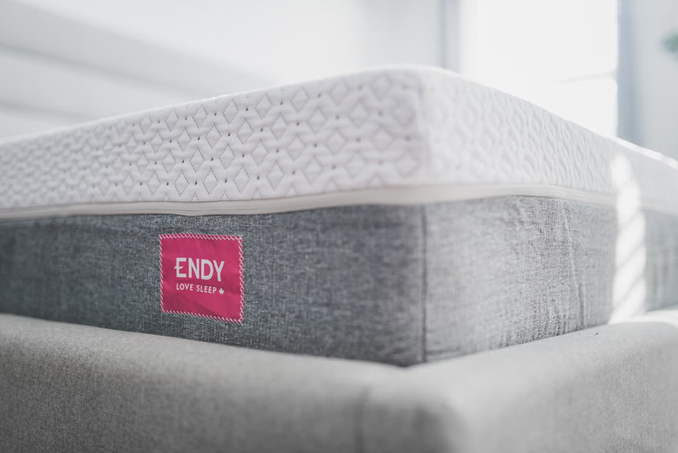
A comfortable mattress can make a huge difference in how you sleep and how you feel the next morning. After all, your bed is one of the most frequently used parts of your home. However, choosing a mattress is not always as simple as picking the softest or most affordable option. There are different materials, firmness levels, sizes, and designs to consider. With the right information, homeowners can make a choice that suits their comfort, bedroom, and lifestyle.
Compare Mattresses Before Making a Decision
It is easy to become overwhelmed when shopping for a mattress because there are so many choices available. Spending some time comparing different models, materials, and comfort levels can make the process much easier. MattressRanker can also be useful when you are researching different mattress options and trying to understand what features may suit your needs. Rather than rushing into a purchase, consider how each mattress is constructed and whether it matches your sleeping preferences. A little research beforehand can help you avoid choosing a mattress that looks appealing but does not feel right once you start using it.
Understand Your Sleep Style
Side sleepers often enjoy mattresses with enough cushioning to support areas such as the shoulders and hips. Back sleepers may prefer a surface that provides a balance of cushioning and support, while stomach sleepers often feel more comfortable on a firmer mattress. If you frequently change positions during the night, a mattress with a balanced feel may offer greater flexibility. When researching different options, a mattress guide can help you understand how various designs work for different sleeping styles. Paying attention to your own habits is more useful than simply choosing a mattress because it is popular.
Pay Attention to Firmness and Support

Firmness is an important part of mattress comfort, but it should not be confused with support. A mattress can feel soft while still supporting your body properly. Likewise, a very firm mattress is not necessarily the best option for everyone. Your preferred firmness can depend on your sleeping position, body shape, and personal comfort preferences. If you have the opportunity to test a mattress before buying it, spend a few minutes lying in your normal sleeping position. This can give you a better idea of whether the surface feels comfortable and supportive.
Learn About Different Mattress Materials
Mattress materials can have a major effect on how a bed feels. Memory foam, for example, is known for its cushioning feel and ability to reduce movement across the mattress. Latex usually has a more responsive feel, while traditional innerspring mattresses can provide a familiar combination of support and bounce. Hybrid mattresses combine different materials, often using springs with foam layers. This can create a balance between responsiveness and cushioning. Understanding the differences between these materials can help you choose a mattress that fits your preferences rather than relying solely on appearance or price.
Consider How You Sleep With a Partner
Sharing a bed can introduce a few additional considerations. You and your partner may have completely different preferences when it comes to firmness, sleeping position, or temperature. A mattress with good motion isolation can help reduce disturbances when one person moves during the night. It is also worth considering the amount of sleeping space you both need. If your bedroom can accommodate it, moving to a larger mattress may provide more freedom to move around without disturbing your partner.
Think About Temperature and Airflow
Some people tend to sleep hot, while others prefer a warmer sleeping environment. Your mattress can influence how comfortable you feel throughout the night. Certain materials may retain more body heat, while others are designed to encourage airflow. If you regularly wake up feeling too warm, look for a mattress with breathable construction and consider pairing it with lightweight bedding. Keeping the bedroom well ventilated can also contribute to a cooler and more comfortable sleeping environment.
Consider Quality and Long-Term Durability
A mattress is an investment that you will use almost every night, so durability deserves some attention. Look at the quality of the materials and construction rather than focusing entirely on the initial price. A cheaper mattress may seem attractive, but replacing it frequently can become expensive over time. On the other hand, spending more does not automatically guarantee better comfort. The goal is to find a mattress that offers a sensible combination of quality, comfort, durability, and price.
Choose a Size That Fits Your Bedroom

The perfect mattress should not only be comfortable, but it should also fit naturally into your bedroom. Before buying, measure the available space and consider the size of your existing bed frame. Remember to leave enough room around the bed for walking and accessing other furniture. A larger mattress can be useful for couples or people who like plenty of space, but a smaller option may work better in a compact bedroom. Thinking about the entire room rather than the mattress alone can help create a more practical and comfortable space.
Set a Realistic Mattress Budget
Having a budget can make mattress shopping less stressful. Before you start comparing options, decide how much you are comfortable spending. Then focus on mattresses that provide the features you actually need within that range. Consider the mattress as part of your overall bedroom investment. Since you spend many hours sleeping, it can make sense to prioritize comfort and quality, but there is no reason to choose an expensive model simply because it has a higher price tag.
Know When It Is Time to Replace Your Mattress
Even a high-quality mattress will eventually lose some of its comfort and support. Visible sagging, lumps, damaged materials, and noticeable discomfort can all indicate that it may be time for a replacement. Your sleeping experience can also change over the years. A mattress that felt perfect when you first bought it may no longer suit your preferences or lifestyle. If you regularly wake up uncomfortable despite getting enough rest, take a closer look at whether your mattress is contributing to the problem.
Make Your Entire Bedroom More Comfortable
A good mattress is only one part of creating a relaxing bedroom. Your pillows, sheets, blankets, lighting, temperature, and bedroom layout can all affect how comfortable the space feels. Choose bedding that suits the season and pillows that provide the level of support you prefer. Keeping the bedroom tidy and reducing unnecessary noise or bright light can also make it easier to relax at bedtime. When all these elements work together, your bedroom can become a much more inviting place to rest.
Choosing the right mattress comes down to understanding your personal needs. Consider your sleeping position, preferred firmness, mattress materials, bedroom size, budget, and long-term comfort before making your decision. With a little research and careful consideration, you can find a mattress that makes your bedroom more comfortable and helps create a better environment for restful sleep.