Severe weather can take a serious toll on your roof, even if the damage isn’t immediately visible. High winds, heavy rain, or hail can loosen shingles, create leaks, and weaken structural integrity over time. That’s why knowing what to look for after a storm is essential to keeping your home safe. Local experts, such as hilo roofing, can help identify hidden issues and recommend timely repairs before small problems become costly ones. By inspecting your roof promptly and addressing concerns early, you’ll not only extend its lifespan but also protect your home from long-term damage caused by unpredictable weather.
Shingles and Tiles

High winds and heavy rain are notorious for damaging shingles or tiles. After a storm, step back and scan for missing, cracked, or curling pieces. Even small gaps expose your home to water infiltration, which can wreak havoc over time. Loose or displaced shingles can sometimes be patched, but if large areas are affected, replacement may be necessary. Also, check for debris lodged under shingles, as this can lift them further in future storms. Catching these signs early can save you from bigger, more expensive roof repairs down the road.
Flashing and Sealants
Flashing—the metal strips around chimneys, skylights, and vents—is especially vulnerable during weather events. If it’s bent, lifted, or missing, water can sneak into your home through gaps you might not notice right away. Sealants around these features can also crack under extreme conditions, creating hidden pathways for leaks. Taking the time to inspect these areas after a storm is crucial. A quick repair now can prevent mold growth, ceiling stains, and structural damage later. It’s often the small details that make the biggest difference in keeping your roof watertight.
Gutters and Downspouts
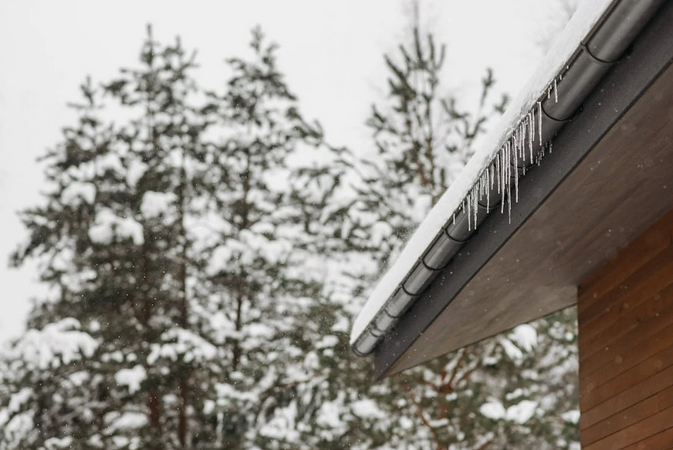
Storms don’t just damage the roof surface; they can also wreak havoc on drainage systems. Gutters clogged with leaves, branches, or even roof granules can back up water, causing it to pool along your roofline. This increases the chance of leaks and accelerates wear on shingles. Downspouts should be checked too, since blockages can force water to spill near your foundation, leading to costly structural issues. Clearing gutters and ensuring water flows properly is one of the simplest but most effective ways to protect your home after harsh weather.
Attic and Ceilings
Sometimes, roof damage is invisible from the outside. That’s why it’s smart to inspect your attic and ceilings after a storm. Look for damp insulation, water stains, or musty smells—these are signs that water is getting in. Even a slow, small leak can compromise your roof’s structure over time and create a breeding ground for mold. A quick flashlight check in the attic can reveal problems before they escalate. By keeping an eye inside as well as outside, you’ll have a fuller picture of your roof’s condition after a weather event.
Weather events can leave your roof vulnerable in ways that aren’t always obvious. By checking shingles, flashing, gutters, and your attic, you can catch issues before they escalate. Pairing your own inspections with professional help after severe storms ensures nothing slips through the cracks. Your roof is your home’s shield against the elements, and keeping it in top shape protects everything underneath it. A little attention after each storm goes a long way, turning potential disasters into minor inconveniences instead of expensive headaches.